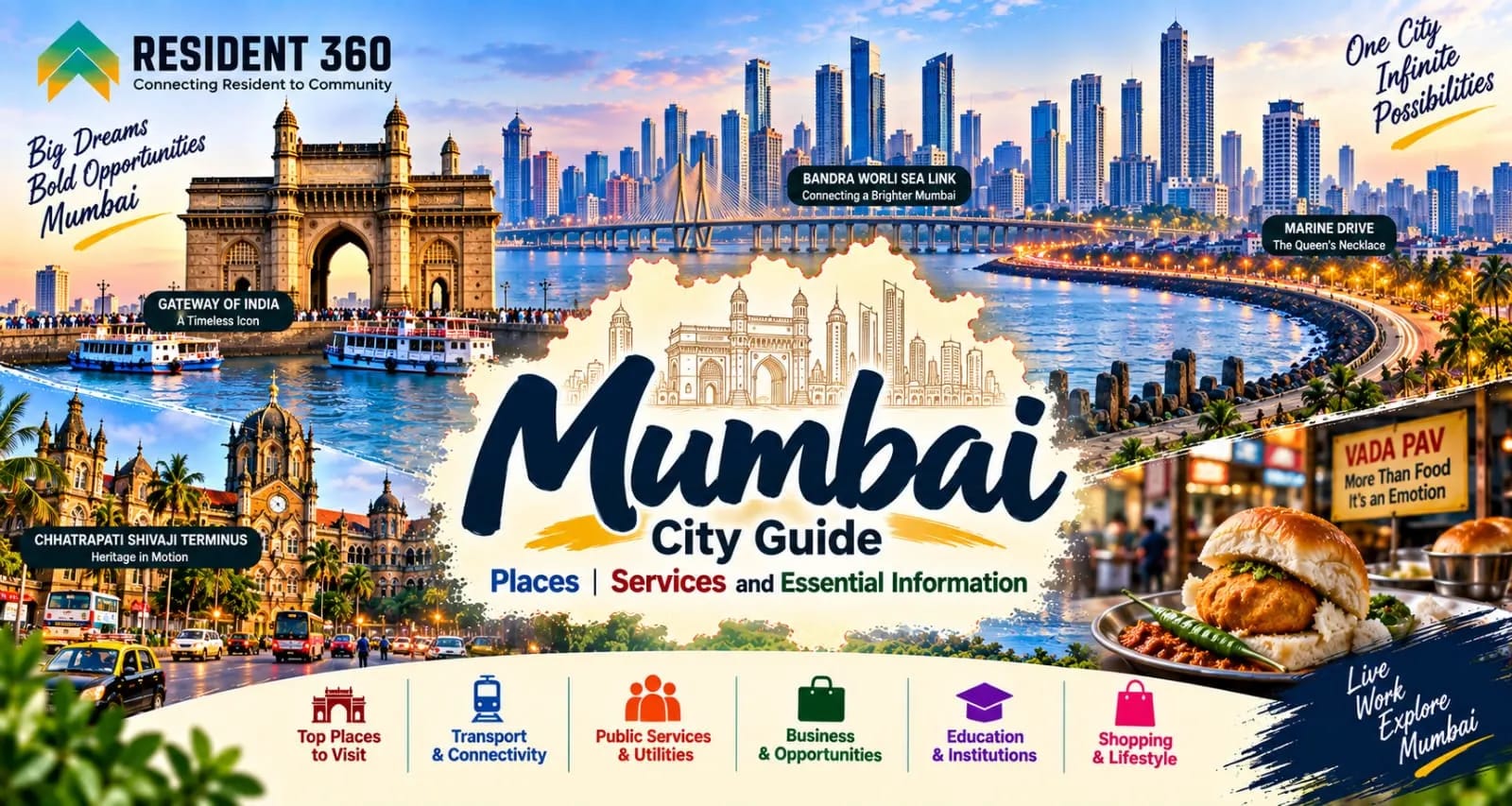
A Mumbai city guide is useful whether you are visiting for a weekend, relocating for work, or trying to understand India’s energetic western metropolis. Mumbai brings together historic architecture, coastal promenades, busy markets, creative neighbourhoods, major business districts, and a food culture shaped by many communities. Its scale can feel overwhelming at first, but the city becomes easier to navigate when you plan around neighbourhoods, transport connections, weather, and the time available. This guide explains what to see, where different parts of the city fit into your plans, how to travel around Mumbai, and which practical details can make a visit smoother.
From heritage areas in South Mumbai to the lively suburbs and the open spaces along the coast, each part of the city offers a different experience. Use the sections below to build an itinerary that matches your interests rather than trying to see everything in one day.
Understanding Mumbai’s Character and Main Areas
Mumbai is a city of contrasts. Colonial-era buildings stand close to modern offices, quiet residential lanes lead to crowded markets, and luxury hotels share the wider urban landscape with long-established local businesses. The city stretches along the Arabian Sea, so geography and traffic have a major influence on how long it takes to move between areas.
South Mumbai and the Heritage Core
South Mumbai contains many of the city’s best-known landmarks, cultural institutions, waterfront views, and historic commercial districts. The area around Fort, Colaba, Kala Ghoda, and Churchgate is well suited to walking tours, architecture enthusiasts, museum visits, and travellers who want to experience the city’s older urban character.
Central and Western Suburbs
Neighbourhoods such as Dadar, Bandra, Khar, Andheri, and Juhu combine residential life with restaurants, shopping, entertainment, offices, and transport links. Bandra is known for its lively streets and coastal setting, while Juhu offers a popular beach area and a broad mix of hotels and dining options. Andheri is an important business and transport hub.
Eastern and Northern Mumbai
The eastern and northern parts of the city include major residential areas, commercial zones, industrial pockets, educational institutions, and access routes toward destinations beyond central Mumbai. These areas are useful for travellers staying near their workplace, airport, or family connections, even if their sightseeing plans focus elsewhere.
Top Places to Visit in Mumbai
Mumbai offers enough attractions for several days, but a first visit should balance famous landmarks with places that reveal the city’s everyday character. Grouping nearby sights together helps reduce travel time and leaves more room for exploring.
Landmarks and Heritage Attractions
The Gateway of India is one of Mumbai’s most recognisable waterfront landmarks and a natural starting point for exploring Colaba. Nearby streets offer heritage buildings, galleries, cafés, shops, and views across the harbour. The Chhatrapati Shivaji Maharaj Terminus is another major architectural highlight and an active railway station, making it both a sightseeing stop and a reminder of Mumbai’s constant movement.
The Kala Ghoda district is a good choice for visitors interested in art, design, public spaces, and cultural venues. Heritage walks around Fort can add context to the city’s architecture, trading history, and civic institutions.
Coastal and Outdoor Experiences
Marine Drive is best enjoyed at a relaxed pace, particularly around sunset or in the early evening. The long promenade gives visitors a chance to observe the city’s relationship with the sea without needing a detailed itinerary. Juhu Beach is another popular stop, especially for travellers who want to combine a coastal visit with nearby food and entertainment.
For a quieter outdoor experience, consider a garden, public park, or hilltop viewpoint during suitable weather. Always check local conditions before planning long outdoor walks during the hotter or wetter parts of the year.
Cultural and Spiritual Sites
Mumbai’s museums, galleries, theatres, and religious landmarks reflect the city’s diverse communities. The Elephanta Caves are a notable excursion for travellers who have enough time for a boat journey and a longer visit. Religious sites should be approached respectfully, with attention to clothing, photography rules, and visitor instructions.
Mumbai Itineraries for Different Lengths of Stay
A practical itinerary should account for traffic, walking time, meal breaks, and the distance between neighbourhoods. It is usually better to explore one connected area thoroughly than to rush across the city for a long list of attractions.
One-Day Mumbai Itinerary
Begin in South Mumbai with the Gateway of India and the surrounding Colaba area. Continue toward Kala Ghoda and Fort for architecture, museums, cafés, or galleries. If time allows, visit Chhatrapati Shivaji Maharaj Terminus before ending the day at Marine Drive.
This route provides a compact introduction to Mumbai’s heritage, waterfront, public life, and historic commercial centre. Avoid scheduling distant suburban attractions on the same day unless they are your main priority.
Two-Day Mumbai Itinerary
Use the second day to explore Bandra, Juhu, or another western suburb. You can combine a neighbourhood walk with local cafés, shopping, coastal views, and a relaxed meal. Travellers interested in culture may instead choose a museum, gallery, performance, or the Elephanta Caves, depending on available time and weather.
Three Days or More
With additional time, explore markets, food districts, residential neighbourhoods, and less central cultural attractions. A longer stay also makes it possible to keep one day flexible for weather changes, shopping, business meetings, or simply experiencing Mumbai without rushing between landmarks.
Getting Around Mumbai Efficiently
Transport planning is one of the most important parts of any Mumbai city guide. The best option depends on the route, time of day, luggage, weather, and how much walking you are comfortable with.
Local Trains, Metro and Buses
Mumbai’s suburban railway is useful for many cross-city journeys, particularly when roads are congested. The metro network continues to expand and can be convenient on supported routes. Buses serve a broad range of neighbourhoods, although journeys may take longer during busy periods. Check current routes, operating hours, ticketing requirements, and service updates before travelling.
Taxis, Auto-Rickshaws and App-Based Rides
Taxis and app-based rides are practical when carrying luggage, travelling in a group, or reaching areas not conveniently connected by rail. Auto-rickshaws are commonly used in many suburban areas, but their availability and operating boundaries can vary by location. Confirm the destination clearly and allow extra time during peak traffic.
Walking and Daily Travel Tips
Walking works well in compact heritage districts, waterfront areas, and selected neighbourhoods. Mumbai’s pavements and crossings can be uneven or crowded, so comfortable footwear is essential. Keep valuables secure, carry drinking water, and avoid assuming that two nearby-looking places will be quick to reach by road.
Food, Markets and Mumbai Lifestyle
Mumbai’s food culture is one of its strongest attractions. The city offers regional Indian cooking, seafood, bakeries, cafés, street snacks, fine dining, and quick meals designed around working life. Exploring food is also a way to understand the city’s different communities and neighbourhoods.
What to Try
Visitors often look for local favourites such as vada pav, pav bhaji, bhel puri, misal, Bombay-style sandwiches, kebabs, seafood, and traditional sweets. Recipes and preparation styles can differ from one establishment to another, so asking local residents or hotel staff for a neighbourhood recommendation can be helpful.
Choose busy food stalls with good turnover, observe basic hygiene, and be cautious with raw items if you are not accustomed to the local climate or ingredients. Bottled or reliably filtered water is a sensible choice for most visitors.
Markets and Shopping Areas
Mumbai’s markets range from practical local shopping streets to areas known for antiques, clothing, books, jewellery, and souvenirs. Bargaining may be expected in some informal markets but not in fixed-price stores. Compare quality and prices before buying, especially for handmade products or items described as valuable.
Shopping centres and modern retail districts offer air-conditioned comfort, branded goods, cinemas, and restaurants. The right choice depends on whether you want local atmosphere, convenience, or a particular product category.
Essential Services and Practical Information
Visitors and new residents often need more than sightseeing advice. Knowing how to find everyday services makes a Mumbai stay less stressful, especially when travelling with children, managing work commitments, or staying for several weeks.
Healthcare and Pharmacies
Hospitals, clinics, diagnostic centres, and pharmacies are available across Mumbai, but the nearest option may not be the best fit for an emergency or specialist need. Keep essential medicines in their original packaging and carry relevant medical information. Travellers should know the location of a suitable hospital near their accommodation.
Connectivity and Money
Mobile connectivity is widely used for navigation, transport bookings, digital payments, and communication. Carry a backup payment method because network interruptions or payment acceptance can vary. Keep some cash for small purchases, local transport, markets, and businesses that do not accept digital transactions.
Accommodation and Daily Convenience
Choose accommodation based on your main plans rather than selecting a property only by map distance. A hotel near a railway or metro connection may be more convenient than one that appears close to an attraction but requires long road journeys. Check the neighbourhood, late-night transport options, luggage access, and nearby food or pharmacy services before booking.
Mumbai for Business, Work and Longer Stays
Mumbai is a major centre for finance, media, entertainment, technology, trade, professional services, and entrepreneurship. Business travellers may spend time in areas such as Fort, Nariman Point, Lower Parel, Bandra Kurla Complex, Andheri, or other commercial districts depending on their organisation and meetings.
Planning Business Travel
Schedule meetings with realistic travel gaps. A short distance on a map can become a long journey during rush hour or heavy rain. If you have several appointments, grouping them by area is more efficient than crossing the city repeatedly. Keep digital copies of identification and booking details, and confirm office access procedures in advance.
Living in Mumbai Temporarily
Longer-stay visitors should consider access to groceries, laundry, healthcare, public transport, and a quiet place to work. Furnished apartments, serviced residences, and hotels suit different needs, but the neighbourhood’s daily convenience often matters more than the room itself. Explore locally rather than relying only on central attractions; this gives a more realistic view of Mumbai’s rhythm.
Safety, Weather and Responsible Travel Tips
Mumbai is a busy urban environment, so basic awareness makes a meaningful difference. Keep bags closed in crowded places, use recognised transport options, avoid displaying expensive belongings unnecessarily, and share your accommodation and travel plans with someone you trust. At night, choose well-used routes and arrange transport rather than walking through unfamiliar areas without a clear plan.
The monsoon can bring heavy rain, waterlogging, transport delays, and slippery roads. During hot and humid periods, schedule outdoor sightseeing earlier or later in the day, drink water regularly, and take breaks. Respect local customs at religious and cultural sites, ask before photographing people, and dispose of waste responsibly.
Weather and service conditions can change, so verify current transport operations, attraction timings, entry arrangements, and local advisories before setting out. Flexible planning is especially useful when your itinerary includes outdoor activities or time-sensitive connections.
Conclusion
A well-planned Mumbai city guide helps turn a crowded, fast-moving metropolis into a collection of manageable experiences. Focus on connected neighbourhoods, combine major landmarks with local food and everyday streets, and choose transport according to distance, traffic, weather, and luggage. Mumbai rewards curious travellers who leave room for spontaneous discoveries, whether that means a coastal walk, a market visit, a heritage building, or a memorable meal. With practical preparation and a flexible itinerary, exploring Mumbai can be both comfortable and genuinely enriching.