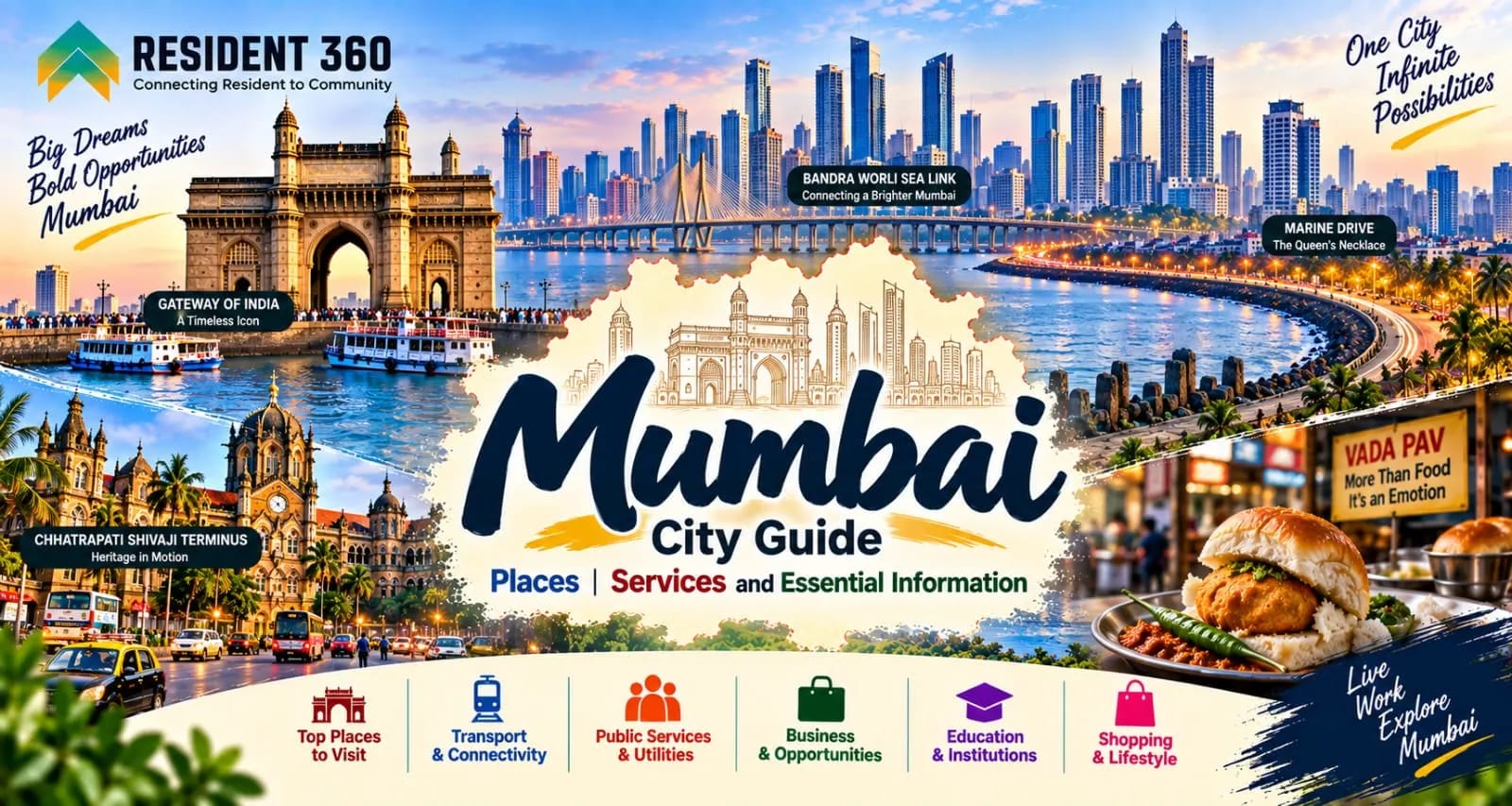
Mumbai is a city of contrasts, where colonial landmarks, modern business districts, coastal promenades, busy markets, creative neighborhoods, and historic communities exist side by side. This Mumbai city guide is designed for first-time visitors, returning travelers, students, professionals, and anyone trying to understand the city beyond its famous skyline. It covers the best places to visit, ways to get around, local food, useful services, neighborhood character, and practical travel advice. Whether you are planning a short weekend, a longer stay, or a work trip, knowing how Mumbai is organized can help you save time and experience the city more comfortably.
Mumbai rewards flexible planning. Choose a few areas that are close to one another, allow extra time for traffic, and balance sightseeing with pauses for food, sea views, and local exploration.
Getting to Know Mumbai
Mumbai stretches along the Arabian Sea and is broadly divided into South Mumbai, the central districts, and the western and eastern suburbs. Each part has a distinct atmosphere. South Mumbai is known for grand architecture, museums, business offices, heritage streets, and waterfront landmarks. The suburbs contain major residential areas, shopping districts, entertainment venues, airports, and many restaurants.
The city is often fast-paced, but it is also highly layered. A single day can include a heritage walk near Fort, lunch in a traditional market area, a train ride through the suburbs, and sunset at Marine Drive. Distances that appear short on a map may take much longer during busy periods, so the best Mumbai itinerary groups nearby attractions together.
Mumbai uses Indian rupees, and digital payments are widely accepted, although carrying some cash is useful for smaller shops, local stalls, taxis, and market purchases. Comfortable footwear, light clothing, and a reusable water bottle are practical choices for most sightseeing days.
Best Time to Visit Mumbai
Mumbai has a tropical climate with warm conditions for much of the year. The cooler and generally drier months are often more comfortable for walking tours, sightseeing, and outdoor activities. The monsoon season brings dramatic rain and lush surroundings, but heavy showers can affect road travel, outdoor plans, and ferry services.
Planning Around Weather
For outdoor exploration, start early or plan activities in the late afternoon. Midday can feel hot, particularly when walking across open areas or waiting in crowded locations. During the rainy season, keep a compact umbrella or rain jacket, protect electronics, and allow extra travel time.
Festive periods can make the city especially lively, but they may also bring crowds, road restrictions, and changes to transport patterns. Check current local conditions before visiting major attractions or planning a day trip outside the city.
Top Places to Visit in Mumbai
Mumbai offers attractions for history lovers, architecture enthusiasts, art fans, beachgoers, and travelers interested in everyday city life. The most efficient approach is to explore them by area rather than trying to cross the entire city repeatedly.
Heritage and Landmark Attractions
The Gateway of India is one of Mumbai’s best-known waterfront landmarks and a natural starting point for exploring the Colaba area. Nearby streets contain heritage buildings, cafés, galleries, shops, and hotels. Chhatrapati Shivaji Maharaj Terminus is another major architectural landmark, recognized for its elaborate historic design and continuing role as a busy railway station.
The Chhatrapati Shivaji Maharaj Vastu Sangrahalaya, formerly the Prince of Wales Museum, provides a broad introduction to Indian art, archaeology, and cultural history. The nearby National Gallery of Modern Art offers a different perspective through modern and contemporary works.
Coastline and Cave Heritage
Marine Drive is ideal for an evening walk and is particularly atmospheric around sunset. The promenade is popular with residents and visitors who come to enjoy the sea breeze and city lights. Elephanta Island offers a separate excursion featuring rock-cut cave temples; ferry operations and visiting hours should be checked before setting out.
For a quieter cultural experience, consider the Dr. Bhau Daji Lad Museum, which explores Mumbai’s social and artistic history. The city’s historic markets, religious buildings, and old residential districts can also reveal details that major landmarks sometimes overlook.
Mumbai’s Neighborhoods and Business Hubs
Understanding Mumbai’s neighborhoods makes it easier to choose accommodation, restaurants, meeting locations, and sightseeing routes. South Mumbai suits visitors interested in heritage, museums, waterfront views, and traditional commercial districts. Colaba is convenient for landmark visits, while Fort is known for offices, architecture, galleries, and cafés.
Bandra combines residential streets, restaurants, boutiques, entertainment, and a lively arts scene. Bandra West is especially popular for dining and shopping, while the seafront offers a pleasant setting for a relaxed walk. Lower Parel and Worli contain offices, malls, restaurants, and redeveloped mill districts, making them important for business and leisure trips.
Andheri is a major transport and commercial area with hotels, offices, studios, restaurants, and access to both airport terminals. Powai has a more planned urban character and is associated with technology companies, educational institutions, and newer residential developments. Navi Mumbai, across the harbor, is a separate planned city and may be useful for business visits, though travel time to central Mumbai should be considered carefully.
How to Travel Around Mumbai
Mumbai’s suburban railway is one of the most practical ways to cover longer distances, especially when roads are congested. However, trains can be extremely crowded during peak commuting periods. Visitors unfamiliar with the system should avoid carrying bulky luggage at busy times and confirm the correct line, direction, and station before boarding.
The metro network continues to expand and can be useful on selected routes. Buses serve many parts of the city, while black-and-yellow taxis, app-based cabs, and auto-rickshaws provide flexible alternatives. Auto-rickshaws generally operate in the suburbs rather than central South Mumbai.
Practical Transport Tips
- Group attractions in the same district to reduce travel time.
- Avoid peak commuting hours when possible, especially with luggage.
- Keep your phone charged and save your accommodation details offline.
- Use station names and nearby landmarks when explaining a destination.
- Build a time buffer for rain, traffic, roadworks, and event-related diversions.
Walking works well in heritage districts and along selected waterfronts, but crossings and traffic require attention. For longer journeys, compare the expected travel time rather than choosing transport solely by distance.
Food and Everyday Experiences
Mumbai’s food culture reflects its diverse communities and long commercial history. Street food is a major part of the city’s identity, with popular choices including vada pav, pav bhaji, bhel puri, sev puri, kebabs, and regional snacks. Traditional cafés, seafood restaurants, bakeries, and modern dining rooms add further variety.
Visitors who are sensitive to spice should ask about preparation before ordering. Choose busy food stalls with strong customer turnover, observe basic hygiene, and drink water from sealed bottles or trusted sources. Eating at different times and in different neighborhoods can reveal how varied Mumbai’s culinary scene is.
For a broader experience, explore a local market, visit a traditional bakery, try a regional thali, or enjoy a leisurely meal in a heritage district. Food is also a useful way to understand the city’s communities, work rhythms, and links with coastal Maharashtra.
Essential Services and Staying Comfortable
A smooth Mumbai visit depends on knowing where to find everyday essentials. Pharmacies, supermarkets, clinics, banks, convenience stores, and courier services are available across major neighborhoods, although operating hours may differ. Hotels and serviced apartments can usually help visitors locate nearby medical facilities, transport options, or luggage storage.
Keep copies of identification, booking details, and important phone numbers in a secure digital location. Travel insurance can be useful for unexpected medical or travel disruptions. If you need urgent assistance in India, 112 is the national emergency response number, but visitors should also know the address of their accommodation and the nearest major landmark.
Personal Safety and Courtesy
Mumbai is busy and generally welcoming, but normal urban precautions remain important. Keep valuables secure in crowded trains, markets, and tourist areas. Use authorized or clearly identified transport, confirm fares when needed, and avoid displaying large amounts of cash. Dress respectfully when visiting religious or traditional spaces, follow photography rules, and ask permission before photographing people.
How to Plan a Mumbai Itinerary
A short visit is easier when organized by geography. A first day could focus on Colaba, the Gateway of India, nearby museums, Fort, and a sunset walk along Marine Drive. A second day might combine Bandra, a local market, a cultural attraction, and a relaxed evening meal. Longer stays allow time for Elephanta Island, additional museums, suburban neighborhoods, and less hurried food experiences.
A Simple Planning Framework
Start by selecting two or three priorities: heritage, food, shopping, art, business, nightlife, or coastal views. Then choose attractions within the same area and check opening days, ticket arrangements, weather, and transport conditions. Leave room for unplanned discoveries because Mumbai’s streets, markets, cafés, and architecture often become part of the experience.
Business travelers should schedule meetings with traffic in mind and avoid placing appointments on opposite sides of the metropolitan region without a generous buffer. Families and older travelers may prefer shorter walking routes, private transport, and midday breaks. Solo travelers can benefit from sharing their itinerary with someone they trust and returning to accommodation before late-night travel becomes inconvenient.
Conclusion
Mumbai is easiest to enjoy when approached as a collection of neighborhoods rather than a single checklist of attractions. From the Gateway of India, historic railway architecture, museums, and Marine Drive to Bandra’s restaurants, local markets, business hubs, and diverse food culture, the city offers something for many kinds of travelers. Plan routes by area, allow extra time for traffic and weather, use public transport thoughtfully, and keep basic safety habits in place. With a flexible itinerary and curiosity about everyday life, a Mumbai city guide can help turn a busy visit into a rewarding and memorable experience.