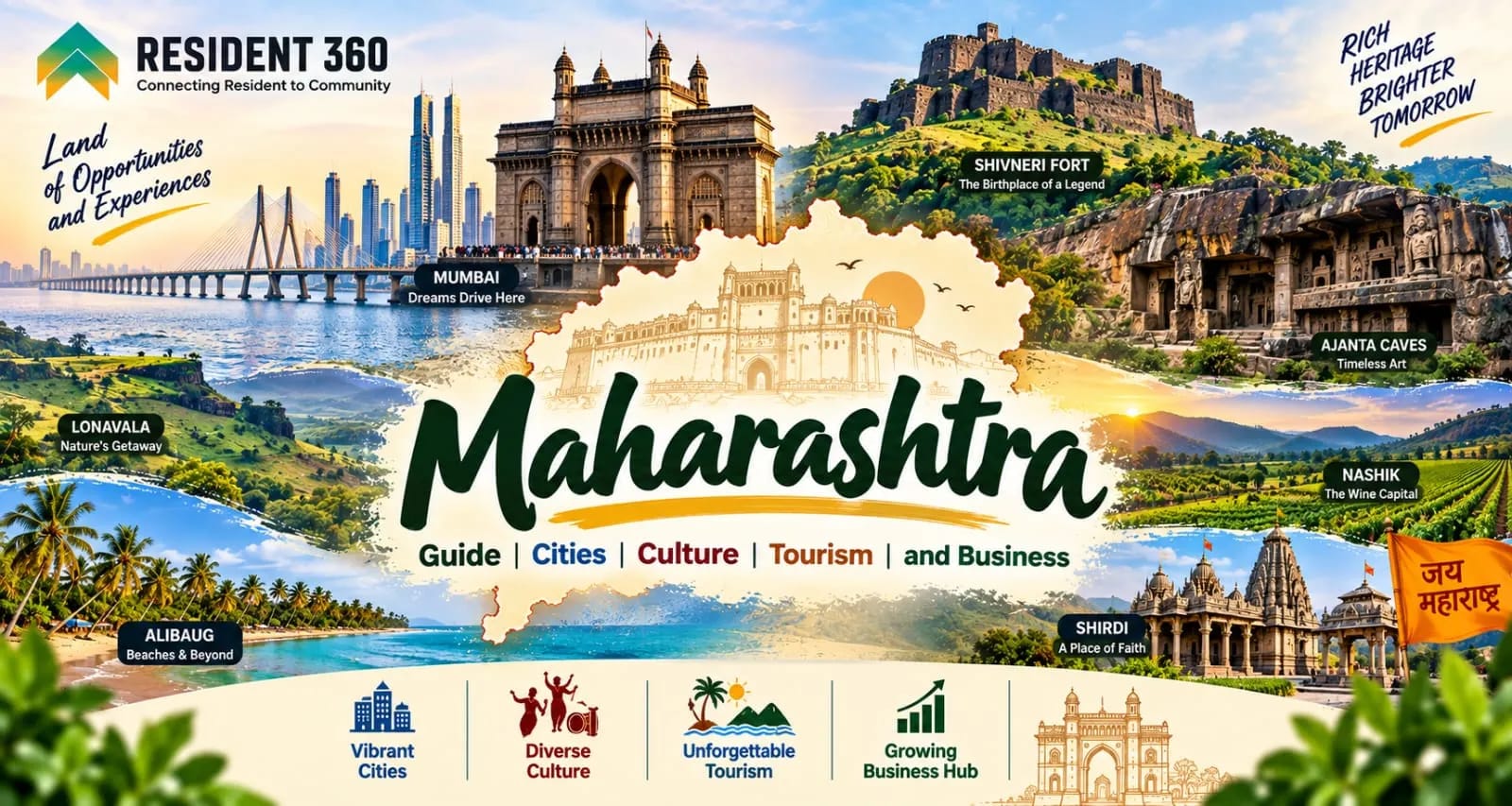
Maharashtra is one of India’s most diverse states, bringing together fast-moving cities, ancient caves, historic forts, long beaches, forested hills, pilgrimage sites, and a deeply rooted cultural identity. From Mumbai’s coastal energy and Pune’s educational heritage to Nashik’s vineyards, Nagpur’s central location, and the hill stations of the Western Ghats, Maharashtra offers experiences for travelers, residents, students, entrepreneurs, and businesses. Its history includes powerful empires, Maratha traditions, colonial influences, and modern industrial growth, making the state important both culturally and economically. Whether you are planning a trip, researching places to live, exploring investment possibilities, or simply learning more about Maharashtra, this guide brings together the essential details in one place. It covers the state’s major cities, attractions, traditions, cuisine, economy, and practical considerations.
The best way to understand Maharashtra is to look beyond its well-known urban centers and explore how its history, landscape, communities, and industries connect with one another.
Maharashtra at a Glance: Geography and Historical Identity
Maharashtra lies in western and central India, bordered by the Arabian Sea to the west. Its landscape changes dramatically across the state, from the coastal Konkan belt and the Mumbai metropolitan region to the elevated Deccan Plateau, the Sahyadri ranges, fertile agricultural districts, and the forests of Vidarbha.
The state is broadly associated with several geographic regions, each with its own character:
- Konkan: Known for beaches, coastal villages, coconut groves, seafood, and lush monsoon scenery.
- Western Maharashtra: Home to Pune, Satara, Kolhapur, and major agricultural and industrial centers.
- Marathwada: Recognized for historic sites, religious destinations, dryland agriculture, and monuments linked to the Deccan’s past.
- Vidarbha: Includes Nagpur, Chandrapur, Amravati, and large forest areas, with strengths in agriculture, minerals, manufacturing, and logistics.
- Khandesh: A northern region known for farming, historic settlements, and connections to trade routes.
Maharashtra’s historical identity is strongly connected with the rise of the Maratha power and the legacy of Chhatrapati Shivaji Maharaj. Forts such as Raigad, Pratapgad, Sinhagad, and Shivneri reflect military planning, regional leadership, and the importance of the Sahyadri landscape. Earlier Buddhist rock-cut sites, medieval kingdoms, the Mughal and Deccan Sultanate periods, and British-era development have also shaped the state’s built heritage.
This layered history is visible in temples, caves, forts, ports, old markets, museums, and city neighborhoods. It also continues through festivals, folk traditions, literature, theatre, music, and public celebrations across Maharashtra.
Major Cities and What Makes Them Distinct
Maharashtra’s cities serve different purposes. Some are financial centers, others are educational hubs, industrial locations, pilgrimage destinations, or gateways to natural attractions. Understanding their character helps visitors and prospective residents choose destinations more effectively.
Mumbai: Financial Capital and Coastal Metropolis
Mumbai is Maharashtra’s capital and one of India’s most influential cities. It is known for finance, media, entertainment, ports, business services, fashion, and a diverse population drawn from across the country. Landmarks such as the Gateway of India, Chhatrapati Shivaji Maharaj Terminus, Marine Drive, and the Elephanta Caves reflect different periods of the city’s development.
Mumbai is also a city of contrasts. Modern commercial districts stand close to historic neighborhoods, busy markets, cultural institutions, beaches, and large residential communities. Its local train network is central to daily life, while suburban areas such as Bandra, Andheri, Powai, and Navi Mumbai offer different living and business environments.
Pune: Education, Technology, and Heritage
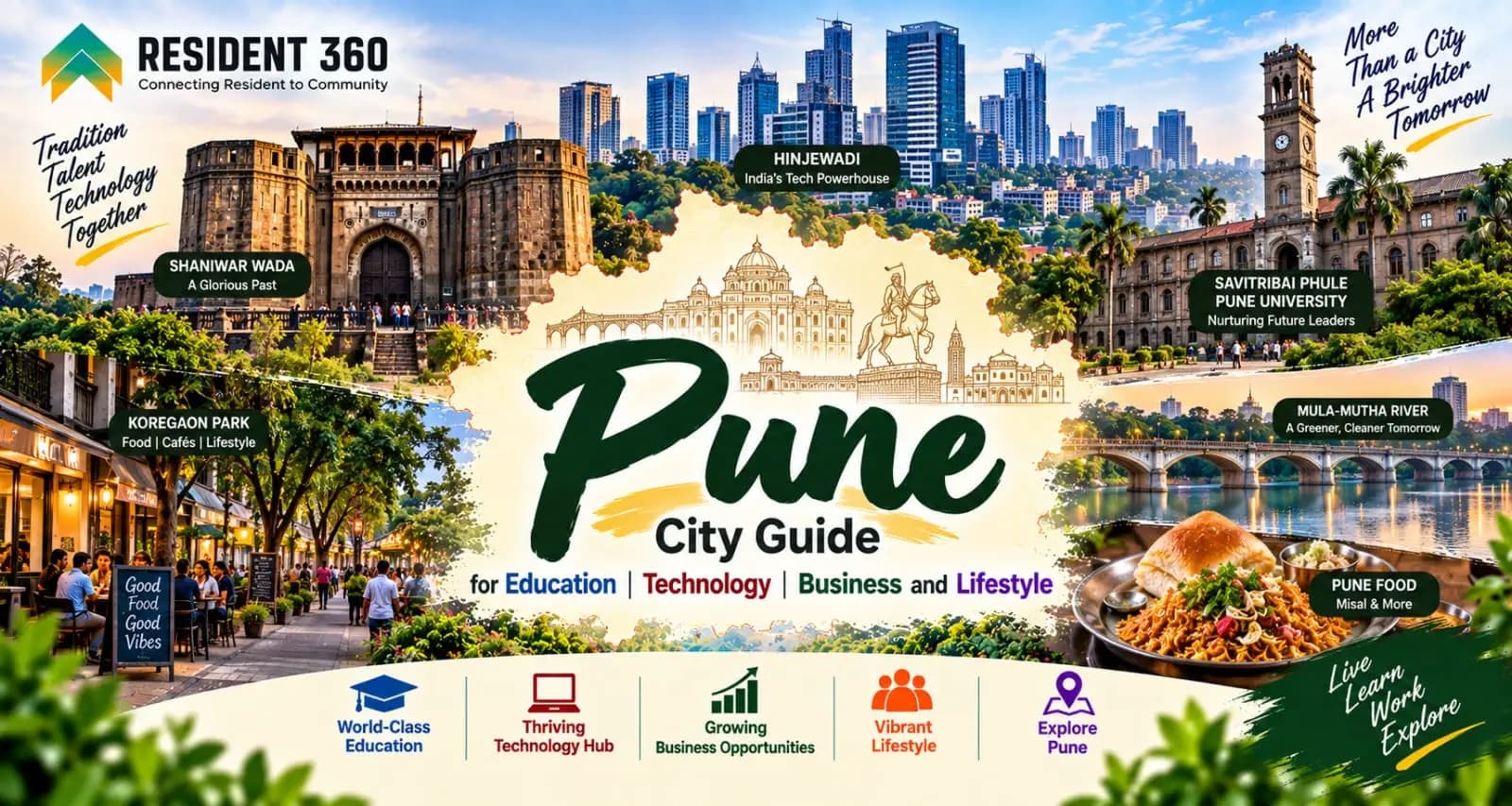
Pune combines historic importance with a strong educational, technology, automotive, and manufacturing presence. The city is associated with institutions, research, information technology, cultural organizations, and a large student population. Historic locations such as Shaniwar Wada and nearby forts add depth to its modern identity.
Pune is also a gateway to the Western Ghats. Lonavala, Khandala, Sinhagad, Mulshi, and several trekking destinations are accessible from the city, making it attractive to people who want urban opportunities alongside weekend access to nature.
Nagpur: Central Connectivity and Regional Growth
Nagpur is often recognized for its central location, transport connections, oranges, public institutions, and growing logistics and industrial activity. It serves as an important link between northern, southern, eastern, and western parts of India. The city also provides access to wildlife destinations and heritage sites in Vidarbha.
Nashik, Aurangabad, and Other Important Centers
Nashik is known for temples, the Kumbh Mela, vineyards, agriculture, and expanding industrial activity. Chhatrapati Sambhajinagar, formerly known as Aurangabad, is a major heritage destination with access to the Ajanta and Ellora Caves, Bibi Ka Maqbara, and other historic attractions.
Kolhapur is celebrated for its temple traditions, cuisine, handicrafts, and cultural heritage. Solapur has connections with textiles, agriculture, and regional trade, while Thane, Navi Mumbai, and Nagpur play important roles in urban expansion, infrastructure, and commerce.
Culture, Languages, Festivals, and Everyday Life
Maharashtra’s culture is shaped by Marathi language and literature, regional customs, devotional traditions, folk performance, urban creativity, and community celebrations. Marathi is the principal language, although Hindi, English, Gujarati, Urdu, Konkani, and several other languages are widely spoken in different parts of the state.
Festivals and Public Celebrations
Ganesh Chaturthi is one of Maharashtra’s most visible festivals. Homes, neighborhoods, and public mandals organize installations, prayers, music, cultural programs, and processions. Mumbai and Pune are especially known for large-scale celebrations, although the festival is observed throughout the state.
Gudi Padwa marks the Marathi New Year and is associated with decorated entrances, traditional clothing, festive food, and the raising of the gudi. Other important celebrations include Diwali, Makar Sankranti, Navratri, Dussehra, and regional fairs connected with temples and local traditions.
Arts, Theatre, and Folk Traditions
Maharashtra has a strong tradition of theatre, devotional music, classical performance, cinema, and literature. Lavani, a lively performance form known for rhythm and expressive storytelling, is closely associated with the state. Tamasha, powada ballads, kirtan, and other folk forms preserve historical narratives and community stories.
Everyday cultural life also appears in local markets, wada-style architecture, traditional clothing, neighborhood food stalls, and the continuing popularity of Marathi books, plays, television, and films. In cities, these traditions coexist with contemporary art, nightlife, design, and multicultural urban lifestyles.
Tourist Attractions and Heritage Experiences
Maharashtra offers more than one type of holiday. Travelers can plan trips around history, architecture, spirituality, beaches, wildlife, food, or urban experiences. Distances can be significant, so grouping attractions by region usually creates a more practical itinerary.
Caves, Forts, and Historic Monuments
The Ajanta Caves are known for ancient Buddhist paintings and rock-cut architecture, while the Ellora Caves bring together Buddhist, Hindu, and Jain traditions in an extraordinary complex. The Elephanta Caves, located near Mumbai, offer another important example of rock-cut heritage.
Maharashtra’s hill forts are equally significant. Raigad, Sinhagad, Pratapgad, Shivneri, and Lohagad attract history enthusiasts, trekkers, and photographers. Some require moderate physical effort, particularly during monsoon conditions, so visitors should plan for weather, footwear, and daylight hours.
Religious and Spiritual Destinations
The state includes important pilgrimage centers such as Shirdi, Nashik, Pandharpur, Kolhapur, Trimbakeshwar, and Tuljapur. These destinations draw visitors throughout the year and may become especially busy during festivals and religious observances.
Visitors should allow additional time for queues, local transport, accommodation availability, and seasonal crowds. Respect for local customs and appropriate clothing is important at temples and other sacred sites.
Mumbai’s Urban Landmarks
Mumbai’s attractions include the Gateway of India, Marine Drive, heritage railway architecture, museums, art galleries, markets, and the Elephanta excursion. A city visit can combine historic sites with neighborhood walks, coastal views, local food, and cultural venues.
Nature, Beaches, Hill Stations, and Adventure
Maharashtra’s natural attractions are particularly appealing during and after the monsoon, when hills become greener, waterfalls become more active, and rural landscapes take on a fresh appearance. Weather conditions can also make roads, trails, and water crossings difficult, so responsible planning is essential.
Western Ghats and Hill Stations
Lonavala and Khandala are popular weekend destinations from Mumbai and Pune. Mahabaleshwar is known for elevated viewpoints, strawberry cultivation, forest roads, and a cooler climate. Matheran offers a vehicle-free hill station experience, while Panchgani is associated with scenic plateaus and valleys.
The Sahyadri ranges also provide opportunities for trekking, camping, photography, and heritage walks. Trekkers should avoid isolated routes during poor weather, carry sufficient water, and follow local safety guidance.
Konkan Coast and Beaches
The Konkan coast includes destinations such as Alibaug, Ratnagiri, Ganpatipule, Tarkarli, Harihareshwar, and several quieter coastal villages. These places are known for beaches, seafood, forts, temples, homestays, and scenic drives.
Beach travel is best approached with care. Swimming conditions may change quickly, and visitors should follow local warnings, avoid littering, and respect fishing communities and sensitive coastal areas.
Wildlife and Protected Landscapes
Tadoba-Andhari Tiger Reserve, Pench landscapes near the state’s eastern region, Navegaon-Nagzira, and other forest areas offer opportunities for wildlife tourism. Safaris are regulated, and sightings cannot be guaranteed. The value of a forest visit lies in observing habitats responsibly rather than focusing only on seeing a particular animal.
Maharashtrian Food and Regional Flavours
Maharashtra’s cuisine varies widely by geography, community, and climate. Coastal cooking often uses coconut, kokum, rice, and seafood, while inland food includes millets, pulses, peanuts, spices, and seasonal vegetables. Urban centers bring together dishes from every region of the state.
Popular foods include vada pav, misal pav, pav bhaji, thalipeeth, puran poli, sabudana khichdi, bhakri, pithla, bharli vangi, and kothimbir vadi. Kolhapuri cuisine is known for bold spice blends, while Malvani food commonly features seafood, coconut, and aromatic masalas. The food traditions of Vidarbha, Marathwada, and Khandesh add further variety.
What Visitors Should Try
A first-time visitor can explore Maharashtra through a mix of breakfast snacks, vegetarian meals, sweets, and regional thalis. Misal differs from one city to another, and local versions of poha, bhakri, and spicy curries provide insight into regional tastes.
Street food is an important part of city life, but visitors should choose busy outlets with good food-handling practices. Those with dietary restrictions should ask about ingredients, especially peanuts, dairy, coconut, and spice levels.
Business, Industry, and Employment Opportunities
Maharashtra is one of India’s most important economic states, supported by finance, manufacturing, information technology, media, entertainment, agriculture, pharmaceuticals, automobiles, logistics, textiles, tourism, and professional services. Mumbai remains a leading center for finance, corporate activity, media, and trade, while Pune has a strong presence in technology, education, automotive manufacturing, and research.
Nashik, Nagpur, Aurangabad, Thane, Navi Mumbai, Kolhapur, and other cities contribute through industrial estates, food processing, engineering, logistics, education, healthcare, and regional commerce. Agriculture remains important, with crops and products varying according to soil, rainfall, and local conditions.
Opportunities for Entrepreneurs
Maharashtra’s large urban population and varied regional markets create opportunities in areas such as:
- Food processing and regional packaged foods
- Tourism, homestays, transport, and local experiences
- Technology services and business support
- Healthcare, education, and skill development
- Logistics, warehousing, and supply-chain services
- Sustainable agriculture and farm-linked enterprises
- Textiles, handicrafts, and local manufacturing
Anyone considering a business should research local demand, operating costs, infrastructure, applicable registrations, and environmental requirements. Conditions differ considerably between Mumbai, Pune, smaller cities, and rural districts, so a statewide assumption may not reflect the reality of a specific location.
Practical Guide for Visitors and New Residents
Planning a Maharashtra trip or relocation requires attention to season, transport, distance, and the purpose of the visit. The best itinerary for a heritage traveler will differ from one designed for a beach holiday, business trip, pilgrimage, or city break.
Best Time to Visit
The winter months are generally comfortable for city sightseeing, heritage tours, wildlife visits, and coastal travel. The monsoon transforms the Western Ghats and Konkan into lush landscapes, but heavy rain can affect roads, trails, and transport. Summer may be hot in many inland areas, although hill stations can offer relief.
Getting Around
Mumbai and Pune have extensive public transport options, while intercity trains and buses connect many major destinations. Road travel is useful for forts, beaches, villages, and hill stations that are not directly served by rail. Travel time can increase substantially during weekends, holidays, monsoon weather, and festival periods.
Choosing Where to Stay
Visitors should choose accommodation based on access to attractions rather than only on city names. A stay near a railway station may suit a short urban visit, while a coastal homestay or hill property may be better for a slower trip. During major festivals and holiday periods, early planning is advisable.
New residents should consider commuting patterns, healthcare access, schools or colleges, water availability, neighborhood safety, and proximity to workplaces. Mumbai, Pune, Nagpur, Nashik, and smaller towns offer very different living environments and costs, so personal priorities matter.
Conclusion
Maharashtra brings together historic forts, ancient caves, vibrant cities, spiritual destinations, coastal landscapes, hill stations, distinctive cuisine, and a powerful economic base. Mumbai and Pune highlight its urban energy, while Nagpur, Nashik, Kolhapur, Chhatrapati Sambhajinagar, the Konkan coast, and Vidarbha reveal other sides of the state. Whether your interest is tourism, culture, business, food, nature, or everyday life, Maharashtra offers depth beyond its best-known landmarks. With thoughtful planning, this Maharashtra guide can help visitors and residents understand the state more clearly and experience its many regions with greater appreciation.