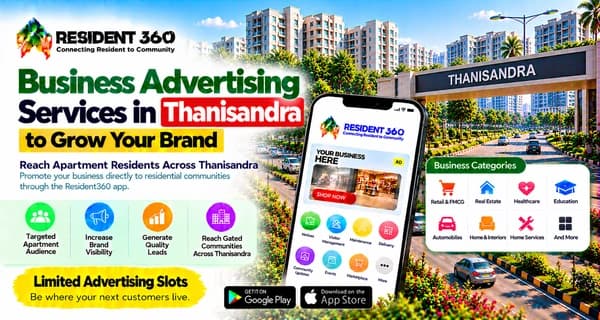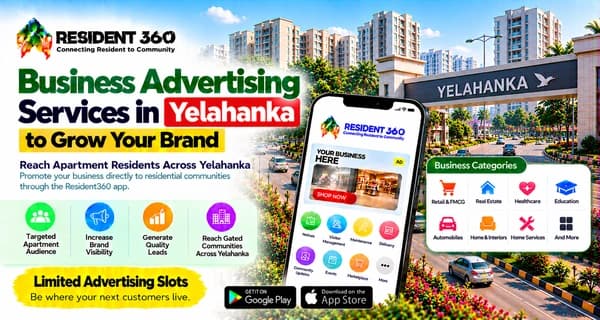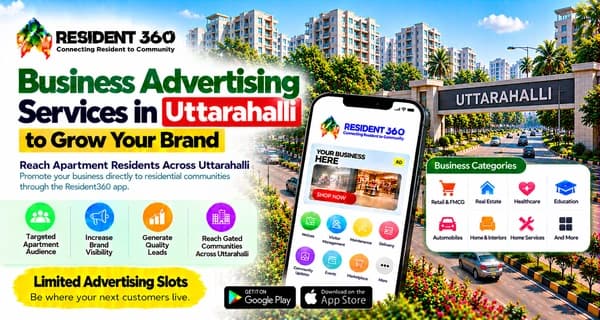
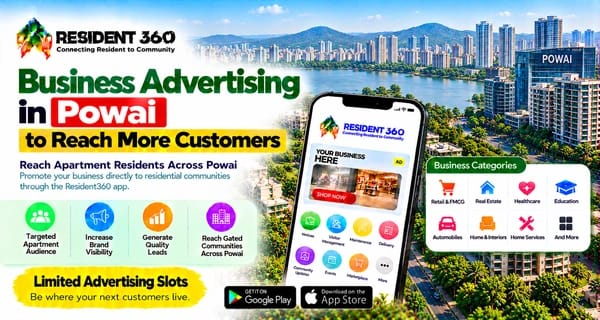
Businesses in Powai operate in a busy local market shaped by residential societies, offices, retail spaces, educational institutions, and a diverse customer base. Effective business advertising in Powai is not only about placing an advertisement; it is about reaching the right people with a useful, relevant message at the right time. Local businesses can build awareness through digital channels, community networks, resident-focused communication, and consistent neighbourhood visibility. A structured approach helps advertisers understand their audience, choose suitable channels, and measure whether their message is reaching potential customers. For businesses serving residential communities, connecting with societies and their residents can also create a practical route to local brand awareness without relying only on broad advertising. The goal is to make each campaign relevant to Powai while keeping the message clear, credible, and easy for people to act on.
A thoughtful local advertising plan can support small businesses, service providers, retailers, professionals, and community-focused brands that want to develop a stronger presence in Powai.
Why Business Advertising in Powai Needs a Local Strategy
Powai has a mix of apartment communities, gated residential developments, commercial areas, offices, and everyday neighbourhood services. This creates opportunities for businesses, but it also means that a general campaign may not connect equally well with every audience. A restaurant, home service provider, tutor, clinic, retailer, or event organiser may need a different message depending on the people it wants to reach.
Local advertising can help businesses focus their efforts on nearby customers instead of communicating with a broad and less relevant audience. Residential communities are especially useful environments for location-based awareness because residents regularly need services, products, maintenance support, activities, and local conveniences. Businesses that understand these needs can create more relevant campaigns and build familiarity over time.
A useful starting point is to understand where local audiences already receive information. Some may respond to search results and social media, while others may notice society announcements, community events, local listings, or recommendations. For businesses exploring advertising opportunities connected with residential communities, the Resident360app advertising page provides relevant context for thinking about community-based visibility.
Common Challenges in Local Business Advertising
Advertising in a specific neighbourhood requires more than simply increasing the number of promotional messages. Businesses need to identify the right audience, select suitable communication channels, and keep their campaigns consistent without becoming intrusive.
Common challenges include:
- Reaching residents and customers who are genuinely located near the business
- Choosing between digital, community, search, social, and offline advertising channels
- Creating different messages for residents, office workers, families, students, and visitors
- Building trust when the business is not yet familiar to the local audience
- Communicating offers without making the advertisement feel irrelevant or repetitive
- Finding suitable opportunities to advertise inside or around residential communities
- Tracking enquiries, calls, visits, or responses generated by a local campaign
- Maintaining consistent branding across social media, listings, flyers, and digital promotions
- Working with society committees or management teams in an organised manner
- Adjusting campaigns when a particular message or channel does not produce useful engagement
These challenges are particularly relevant for service businesses. A local provider may have a strong offering but still struggle to reach the right households. Clear positioning and focused community outreach can make the advertising process more organised.
How Business Advertising in Powai Can Reach the Right Audience
Business advertising in Powai can become more effective when the campaign is planned around audience needs rather than only business promotion. A company can begin by defining who it wants to reach, what problem it solves, and why its offering is relevant to people in the area. This message can then be adapted for search, social media, community communication, and direct local promotion.
For example, a home cleaning service may focus on convenience, availability, and service coverage for apartment residents. A fitness provider may communicate class schedules and accessibility for nearby families or working professionals. A local retailer may highlight convenience, product categories, and proximity. The message should be specific enough for the audience to understand its value quickly.
Businesses that want to reach residential communities can also consider how society operations are managed. A society management app may centralise resident and community information, making it easier for authorised communication to be organised. This does not replace responsible advertising practices, but it can help businesses think about how community-focused messages may be presented through appropriate channels.
A campaign can be structured around the following process:
- Define the local audience and service area.
- Identify the need or problem the business addresses.
- Create a concise message with a clear call to action.
- Select channels that the audience is likely to use.
- Coordinate with relevant society or community stakeholders where needed.
- Review enquiries and responses to improve future campaigns.
Four Operational Areas That Strengthen Local Advertising
Advertising is more effective when the surrounding communication process is organised. For businesses working with residential communities, these four areas can support smoother campaign planning and follow-up.
Audience and Resident Records
Understanding the audience helps a business avoid sending the same message to everyone. Residential communities may include families, tenants, senior citizens, working professionals, and students with different requirements.
- Define the audience before preparing an advertisement
- Adapt messages to the community’s likely needs
- Avoid using resident information without proper authorisation
A resident-focused campaign should always respect privacy and community communication policies.
Community Communication
A Resident communication app can support organised information sharing within a community. For advertisers, the important consideration is not simply access to a communication channel, but whether the message is relevant, permitted, and useful to residents.
- Keep promotional content concise and informative
- Coordinate announcements through the appropriate society contact
- Avoid excessive messages that may reduce attention and trust
Community communication works best when residents can understand why the information may be useful to them.
Enquiries and Complaints
Local advertising may generate questions, service requests, or concerns. A business should have a clear process for handling these responses. If a resident submits a complaint, the business or community contact should know who is responsible for reviewing it and providing a response.
- Record enquiries and follow-ups systematically
- Provide a clear contact method
- Respond professionally when residents raise concerns
A responsive process protects the business’s reputation and makes community partnerships easier to manage.
Committee and Management Coordination
Society advertising often involves communication with a committee, facility manager, or authorised management team. Clear coordination can help both sides understand the campaign’s purpose, duration, audience, and communication format.
- Confirm the responsible contact before starting a campaign
- Share accurate business details and service information
- Agree on how residents can request more information
This approach reduces confusion and gives the campaign a more professional foundation.
Related Society Operations That Support Business Visibility
Residential communities have several operational areas that influence how local businesses can communicate with residents. Understanding these areas helps advertisers create more relevant and responsible campaigns.
Maintenance and Home Services
Maintenance requirements create regular demand for plumbers, electricians, cleaning providers, repair specialists, pest-control services, and other local businesses. A society maintenance app may help communities organise maintenance-related information and communication.
- Position services around a clear resident need
- Explain service coverage and response expectations accurately
- Avoid making unsupported promises about availability or results
A useful advertisement should help residents decide whether the service is relevant before they make contact.
Payments and Offers
Businesses may use offers, membership plans, or service packages as part of a local campaign. Clear pricing information, terms, and contact details can reduce confusion. Where residents need to review payment information, the business should direct them to an appropriate and secure process rather than requesting sensitive details through informal communication.
- State offer conditions clearly
- Use suitable payment and enquiry processes
- Avoid collecting unnecessary personal or financial information
Transparency is especially important when an advertisement encourages residents to make a purchase or booking.
Visitor and Service Personnel Coordination
Some local businesses send delivery staff, technicians, instructors, or service personnel to residential communities. A visitor management system can support organised visitor and entry coordination within a society, subject to the community’s operating practices.
- Provide accurate visitor or service details in advance
- Follow society entry procedures
- Ensure staff understand the community’s expectations
Advertising and access coordination should be treated as separate but connected responsibilities.
Apartment and Community Records
Businesses may work with different types of residential communities, each with its own communication practices. An apartment management app can help communities maintain organised information related to residents and apartment operations. Advertisers should still work through authorised contacts and avoid assuming that one community’s process applies everywhere.
- Ask about the preferred communication route
- Prepare materials that can be adapted to the community
- Keep business information current
Accurate records and clear coordination can make repeat communication more efficient.
Advertising Approaches for Different Residential Communities
The right approach can vary according to the size, layout, and operating structure of a community. A small society may respond well to a focused campaign coordinated with a committee or facility contact. The advertiser may need only a concise message, clear service details, and a simple way for interested residents to respond.
Larger apartment communities may require more structured communication because there can be multiple buildings, resident groups, service areas, and decision-makers. In such cases, the business should prepare consistent material that can be shared through approved channels without creating confusion or duplication.
Gated communities may have additional considerations around visitor access, delivery personnel, and service appointments. A campaign for a home service provider should explain how residents can book the service and how visiting staff will follow the community’s entry process. Businesses should not assume that advertising permission automatically provides access permission.
Resident Welfare Associations may also evaluate whether an advertisement is relevant to residents and suitable for community communication. Businesses can make this review easier by providing accurate descriptions, contact details, campaign duration, and a clear explanation of the value offered. A community-focused approach is more sustainable than treating every society as a simple advertising space.
How Resident360app Can Support Community-Focused Advertising
Resident360app can be considered by societies and residential communities seeking a more organised approach to communication and operations. Depending on the community’s requirements, relevant capabilities may include resident and apartment records, maintenance and payment tracking, complaints and service requests, visitor and security coordination, and staff or facility coordination.
For a business advertiser, the value of understanding these operations is practical. A campaign may need to reach residents through an authorised communication process, coordinate with a facility contact, or account for visitor procedures when a service provider enters the property. A platform that brings community information and communication into a more organised environment may make coordination easier for the society.
Businesses should still follow the community’s permission process and avoid treating software as a substitute for consent. The advertiser remains responsible for the accuracy of its message, the quality of its service, and the way it handles enquiries. Resident360app can support the surrounding community-management process, while the business must manage its own advertising and customer experience responsibly.
For RWA-led communities, rwa management software can provide useful context on how administrative coordination may be structured. Similarly, maintenance management software may be relevant when an advertiser offers services connected with upkeep, repairs, or recurring property needs.
How to Evaluate a Local Advertising Approach
Businesses should evaluate an advertising approach based on relevance, clarity, permission, and follow-up rather than selecting a channel only because it appears popular. The first question is whether the audience matches the business’s service area. A campaign aimed at nearby residents should use language and offers that make sense for those residents.
The following considerations can help:
- Audience fit: Does the campaign reach people who are likely to need the product or service?
- Message clarity: Can someone understand the offering quickly?
- Community approval: Has the business followed the society’s communication process?
- Channel suitability: Is the message being shared where the intended audience is likely to see it?
- Response handling: Is there a clear way to answer questions and follow up?
- Accuracy: Are service details, prices, timings, and conditions current?
- Privacy: Does the campaign avoid unnecessary collection or use of resident information?
- Measurement: Can the business review enquiries, visits, bookings, or other meaningful responses?
A business may also compare digital advertising with community-based opportunities. Digital campaigns can provide broad local reach, while society-focused advertising may offer more specific audience relevance. The most suitable mix depends on the business, its service area, and the permission available through each channel.
Businesses serving residential communities may also consider how a Maintenance management system supports the communities they work with, particularly when campaigns involve recurring repairs or facility services. The purpose is not to force every business into a technology-led campaign, but to understand the operational environment in which local advertising takes place.
Conclusion
Business advertising in Powai works best when it combines local audience understanding with clear messaging, responsible community coordination, and consistent follow-up. Businesses can reach residents through suitable digital and community channels while respecting permissions, privacy, and society procedures. By connecting advertising goals with the needs of apartment communities, RWAs, and local customers, brands can create more relevant campaigns and build stronger neighbourhood visibility over time.
Get Started with Resident360 Today
Resident360app can be considered by societies and residential communities looking for a more organized approach to society management. To learn more, visit Resident360app.
Download the Resident360app Today