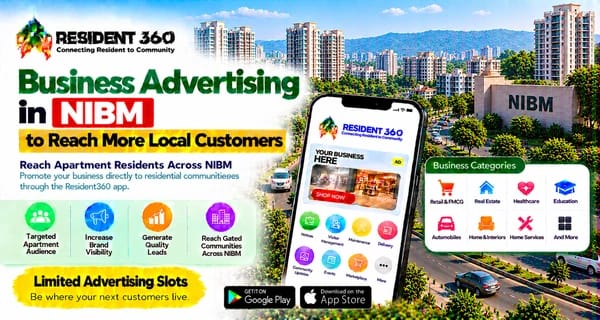
Businesses operating in NIBM need more than a basic online listing to stay visible in a competitive local market. Business advertising in NIBM works best when it combines digital discovery with meaningful local outreach across residential communities, apartments, and nearby commercial areas. For cafés, clinics, tutors, home-service providers, retailers, fitness studios, and professional services, the right advertising approach can help build awareness among people who already live, work, or regularly travel through the area. Local campaigns should be clear, useful, and easy to act on rather than relying only on broad promotions. Understanding where residents receive information, how communities communicate, and what makes a local offer relevant can help a business create advertising that feels connected to NIBM instead of appearing as another generic online message.
A practical local advertising plan can combine search visibility, community communication, referral activity, and carefully selected digital promotions. Businesses should also review which channels generate genuine enquiries instead of focusing only on impressions.
Why NIBM Businesses Need a More Local Advertising Approach
NIBM has a strong mix of residential communities, apartment complexes, service businesses, educational providers, healthcare professionals, and everyday retail needs. This creates opportunities for local businesses, but it also means that customers are exposed to many competing messages. A business may be close to a customer geographically and still remain unnoticed if its advertising does not appear where residents search, communicate, and make decisions.
Local advertising can help a business present the right offer to a relevant audience. For example, a nearby salon may focus on convenience, a tutor may highlight subject expertise, and a home-repair provider may communicate response areas and service categories. The message should reflect the needs of NIBM customers while remaining accurate and easy to understand.
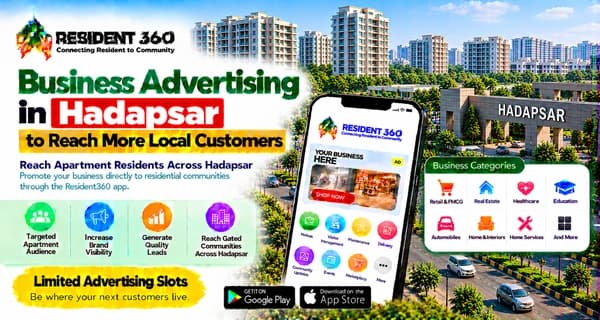
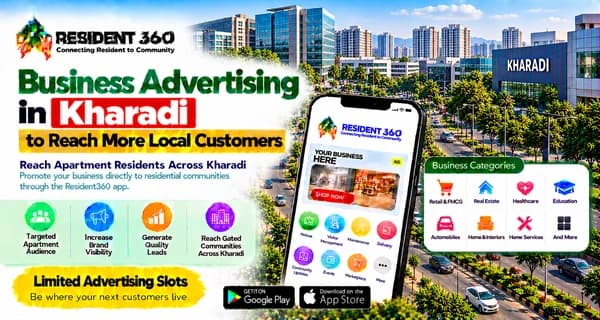
Businesses can build a broader strategy through business advertising in Magarpatta, business advertising in Hadapsar, and business advertising in Kharadi when they want to understand how local advertising can be adapted across Pune neighbourhoods. Each location may require different messaging, audience priorities, and community outreach methods.
Common Advertising Challenges for Businesses in NIBM
Advertising locally can appear simple, but businesses often face practical problems that make campaigns less effective. The challenge is not always the lack of advertising channels. It is often the difficulty of selecting the right audience, communicating a useful offer, and maintaining consistent visibility.
Common challenges include:
- Reaching nearby residents without spending on audiences outside the service area.
- Explaining what makes a business relevant to customers in NIBM.
- Managing advertising across search, social media, local groups, and community channels.
- Creating different messages for residents, families, students, professionals, and senior citizens.
- Finding suitable ways to communicate with apartment and gated-community audiences.
- Keeping contact details, offers, service areas, and business information consistent.
- Following up on enquiries received through different advertising sources.
- Measuring whether local promotions generate calls, visits, registrations, or useful leads.
- Avoiding repetitive advertisements that residents may ignore over time.
- Coordinating promotional activity with resident communication rules and community expectations.
A useful campaign should address these issues before increasing its advertising budget. Clear targeting and disciplined follow-up can often make local promotion more organised.
How Business Advertising in NIBM Can Build Local Visibility
Business advertising in NIBM can become more effective when it is planned around the customer journey. First, a business should identify the services most relevant to local residents. Next, it can create a clear message that explains the service, location, contact method, and reason to enquire. Finally, the business should make it easy for interested people to respond and for the team to record those enquiries.
A residential community may be a valuable audience because residents often need recurring services close to home. A business could promote a neighbourhood-focused offer through appropriate community channels, provided the communication is permitted and genuinely useful. For example, a cleaning service might share its service areas and booking process, while a fitness centre may communicate class categories and location details.
Community operations also matter. Businesses seeking access to residential audiences may need to understand how societies organise announcements, notices, and resident requests. A society management app can provide context on how societies coordinate information, while a Resident communication app may support more structured communication between residents and management teams. These systems should not be treated as advertising channels automatically; businesses should approach communities respectfully and follow the relevant approval process.
Four Operational Areas That Strengthen Local Advertising
Local Audience Research
Before creating an advertisement, a business should understand the people it wants to reach. Audience research can be based on service needs, location, timing, and likely buying decisions rather than assumptions.
- Identify the residential and commercial pockets closest to the business.
- Separate immediate-neighbourhood customers from wider Pune audiences.
- Note seasonal or recurring needs that may influence enquiries.
Offer and Message Planning
A local advertisement should explain the value of the offer quickly. The message may focus on convenience, service clarity, appointment availability, product range, or proximity, depending on the business category.
- Use a specific service description instead of a vague promotional statement.
- Mention the relevant service area without overstating coverage.
- Provide one clear next step, such as calling, visiting, or submitting an enquiry.
Enquiry and Follow-Up Management
Advertising produces value only when enquiries receive suitable attention. Businesses should maintain a simple process for recording where enquiries came from, what the customer requested, and whether follow-up is needed.
- Record calls, forms, messages, and walk-in references consistently.
- Group enquiries by service type and urgency.
- Review unanswered or pending enquiries regularly.
Community-Friendly Promotion
Residential communities may have their own communication preferences and approval processes. Advertising should be useful, appropriately timed, and respectful of resident attention.
- Seek permission before using society communication channels.
- Avoid excessive messages or unclear promotional claims.
- Offer information that solves a relevant local need.
Society Operations That Can Support Community-Based Advertising
Resident Communication
Local businesses often depend on how information moves through a residential community. Understanding announcement workflows can help a business prepare concise content that is easier for an authorised administrator to review and share.
A society maintenance app may also show how resident-facing information can be organised around recurring needs. Businesses should use this knowledge to improve message clarity, not to bypass community communication controls.
Payments and Service Information
Customers may ask about payment methods, invoices, booking terms, or recurring service charges before making a decision. Businesses should keep this information ready and explain it consistently across advertisements and enquiry responses.
Relevant payment information should be presented carefully, especially when an advertisement directs customers to an online payment process. Clear instructions can reduce confusion and support more reliable customer interactions.
Complaints and Service Requests
Advertising creates expectations about the experience a customer will receive. A business should have a process for handling questions, corrections, and service concerns after an enquiry or purchase.
A defined complaint process can help the business record issues, assign responsibility, and respond consistently. This is particularly useful for home services and recurring local subscriptions.
Team Coordination
Campaigns may involve owners, sales staff, reception teams, designers, field workers, and external marketing partners. Without clear ownership, an advertisement may remain active after an offer changes or enquiries may go unanswered.
A simple management team structure can help assign tasks such as approving content, checking contact details, monitoring leads, and reviewing campaign results.
Adapting Advertising for Different Residential Communities
Small societies may respond well to focused, practical communication because their resident groups are more limited. A local business could present one relevant service, a simple explanation, and a clear contact method. The goal should be usefulness rather than sending a large number of unrelated promotions.
Apartment communities may have residents with varied schedules, household needs, and purchasing preferences. Businesses can adapt by creating separate messages for services such as education, healthcare, maintenance, food delivery, fitness, or personal care. Consistent branding and accurate service details can make the communication easier to evaluate.
Large or gated communities may involve more formal communication processes. Advertising access may depend on committee approval, facility coordination, or a designated management contact. Businesses should be prepared with a short profile, service details, contact information, and a clear explanation of why the offer is relevant to residents.
RWAs and society committees may also benefit from organised records when reviewing community requests or promotional proposals. A rwa management software platform can help explain how resident records, committee coordination, and community operations may be structured. Businesses should treat the RWA as a stakeholder and respect its communication process rather than assuming that every resident is an open advertising audience.
How Resident360app Can Support Organised Community Coordination
Resident360app can be considered by societies and residential communities that want a more organised approach to communication, maintenance coordination, complaints, records, and related operations. For businesses advertising in NIBM, understanding these workflows can make community outreach more professional and easier to coordinate.
For example, a society may use a society maintenance app to organise maintenance-related information and resident updates. An Apartment Management App can provide a broader view of how apartment records, requests, and community activities may be coordinated. These tools do not replace a business's own advertising process, but they can help clarify how residential communities manage information.
A maintenance management software approach may also help communities keep recurring maintenance activities, payment records, and service requests more organised. For an advertiser, this means that a promotional proposal should be concise and directed to the appropriate society contact rather than sent repeatedly to unrelated residents.
Where security and entry coordination are involved, a visitor management system may help communities organise visitor records, resident approvals, delivery coordination, and gate-related communication. A business arranging a service visit should provide accurate visitor details and follow the community's established process.
Choosing an Advertising and Community Outreach Approach
Businesses should evaluate local advertising options based on their goals, audience, resources, and ability to follow up. There is no single format that suits every business in NIBM. A clinic may need search visibility and appointment enquiries, while a retailer may benefit from location-focused promotions and repeat visits.
The following considerations can help:
- Audience fit: Does the channel reach people who are likely to need the service?
- Location clarity: Does the advertisement clearly explain where the business serves customers?
- Message quality: Is the offer understandable without exaggerated claims?
- Response process: Can the team handle calls, forms, messages, and follow-ups promptly?
- Community suitability: Does the campaign respect society approvals and resident preferences?
- Content consistency: Are business hours, contact details, pricing references, and service descriptions accurate?
- Measurement: Can the business identify which activity generated a meaningful enquiry?
- Repeat visibility: Can the business remain visible without overwhelming the audience?
Businesses may also review the broader advertising services for residential communities before selecting a local outreach model. The most suitable approach is usually one that combines clear communication with a manageable process for enquiries and follow-up.
Conclusion
Business advertising in NIBM can be more effective when it is built around local relevance, clear messaging, respectful community outreach, and reliable enquiry follow-up. Businesses should understand the needs of nearby residents, adapt campaigns for different societies and apartment communities, and keep service information consistent across channels. Resident360app can be considered by communities seeking organised communication and operational coordination, helping businesses approach residential audiences in a more structured way.
Get Started with Resident360 Today
Resident360app can be considered by societies and residential communities looking for a more organized approach to society management App. To learn more, visit Resident360app.
Download the Resident360app Today