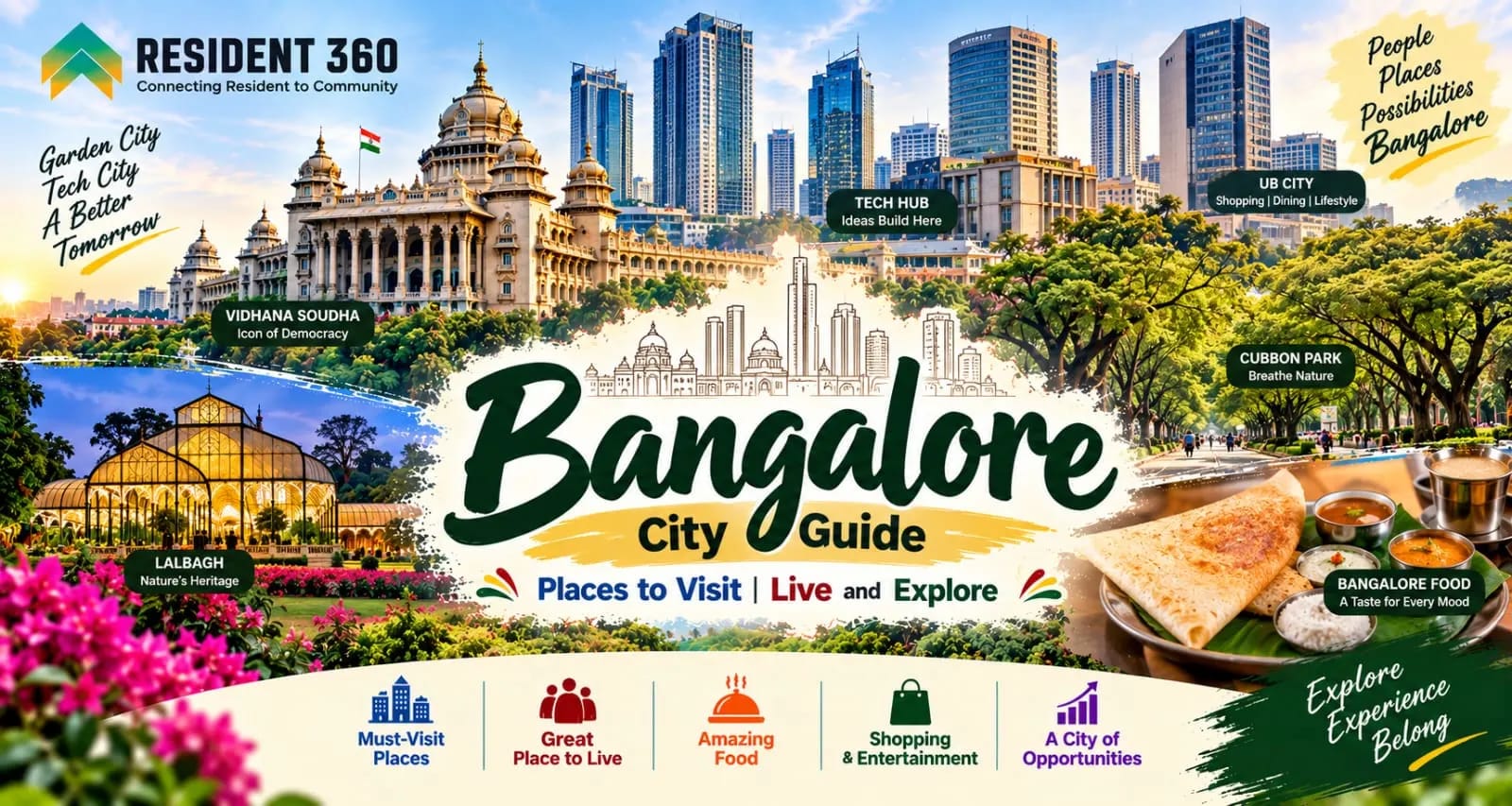
Bangalore, officially Bengaluru, is a city of contrasts: grand parks sit beside technology campuses, historic markets lead to modern cafés, and quiet residential streets are never far from lively cultural spaces. This Bangalore city guide helps first-time visitors, returning travelers, and anyone considering a longer stay understand what makes the city worth exploring. From famous attractions and heritage areas to places to live, eat, shop, and unwind, the city offers experiences for different budgets and interests. The key is to explore by area rather than trying to cover everything in one hurried day. With a little planning, you can combine landmarks, local food, green spaces, shopping, and neighborhood life in a way that feels comfortable and distinctly Bengaluru.
Whether you are planning a weekend, moving to the city, or simply looking for new things to do, the sections below provide a practical way to experience Bangalore.
Why Bangalore Is Worth Exploring
Bangalore has a relaxed character that can be easy to miss if you only see it through traffic and business districts. Its appeal comes from the blend of old and new. The city has royal-era landmarks, traditional markets, centuries-old temples, art venues, independent restaurants, craft stores, and a large community of students and professionals from across India.
The weather is often considered one of the city’s attractions, although conditions vary by season. More importantly, Bangalore’s neighborhoods each have a distinct personality. Central areas feel historic and busy, southern districts are known for traditional food and established residential communities, while eastern and northern parts are shaped by offices, newer housing, and expanding retail spaces.
A good visit does not require a packed schedule. You can spend a morning in a park, an afternoon exploring a palace or museum, and an evening sampling local dishes. The city rewards slower exploration, especially when you leave time for cafés, bookstores, markets, and unexpected street scenes.
Best Time to Visit and How to Plan Your Days
Bangalore can be visited throughout the year, but the best experience depends on what you want to do. Cooler months are comfortable for walking and sightseeing, while the monsoon can make parks and surrounding greenery especially appealing. Rain may also affect travel time, so flexible plans are useful.
Plan by Neighborhood
Group nearby attractions together instead of crossing the city repeatedly. For example, a central sightseeing day can include Cubbon Park, Vidhana Soudha views, museums, and nearby shopping areas. A south Bangalore day may combine Basavanagudi, Lalbagh, a traditional breakfast, and a market visit.
Keep outdoor activities for the morning or late afternoon. Popular parks and landmarks are more enjoyable before the day becomes crowded, and evening plans can focus on food, shopping, music, or neighborhood walks. Leave extra time between stops because traffic can make short distances unpredictable.
Best Places to Visit in Bangalore
Bangalore has enough attractions for several days, but a few places provide a strong introduction to its history, architecture, and public life.
Bangalore Palace
Bangalore Palace is one of the city’s most recognizable historic landmarks. Its architecture, interiors, and grounds offer a glimpse into the city’s royal past. Visitors interested in heritage buildings should allow time to appreciate the details rather than treating it as a quick photo stop.
Lalbagh Botanical Garden
Lalbagh is ideal for an early walk, a quiet break, or a closer look at Bangalore’s horticultural traditions. Its landscaped paths, mature trees, and broad open spaces make it popular with both travelers and local residents. Comfortable footwear is useful because the garden is best experienced on foot.
Cubbon Park and the Central District
Cubbon Park provides a green pause in the middle of the city. It is close to several important public buildings, cultural institutions, and museums, making it easy to combine with other central attractions. The area is particularly pleasant for a morning stroll.
Tipu Sultan’s Summer Palace and the Old Market Area
This historic palace and the surrounding market streets reveal a different side of Bangalore. The visit becomes more rewarding when paired with a walk through the older commercial areas, where flowers, spices, textiles, and everyday trade create a lively local atmosphere.
Best Neighborhoods to Live and Experience Local Life
Choosing where to stay or live in Bangalore depends on your work location, budget, preferred pace, and access to transport. No single neighborhood is ideal for everyone, but several areas are popular for different reasons.
Indiranagar and Koramangala
These neighborhoods are known for restaurants, cafés, entertainment, and a lively social scene. They suit visitors who want plenty of dining choices and evening activity nearby. They can feel busy, particularly around popular commercial streets.
Jayanagar and Basavanagudi
For a more established and traditional residential atmosphere, Jayanagar and Basavanagudi are strong choices. Tree-lined streets, markets, temples, local eateries, and long-standing shops give these areas a sense of continuity. They are well suited to travelers who want to experience everyday Bangalore beyond office districts.
Whitefield, Marathahalli, and Outer Business Hubs
These eastern areas are convenient for people working near major technology and business campuses. They offer modern apartments, shopping centers, restaurants, and practical services, though commute times can be a major consideration. Anyone choosing accommodation here should check the distance to their daily destinations rather than relying only on map distance.
Malleshwaram and Central Bangalore
Malleshwaram combines heritage, temples, traditional food, and a strong neighborhood identity. Central Bangalore is useful for visitors who want easier access to parks, museums, public buildings, and historic attractions. These areas can offer a more balanced sightseeing experience than staying far from the city center.
What to Eat: Local Flavors and Food Experiences
Food is one of the most enjoyable ways to understand Bangalore. Start with classic South Indian dishes such as idli, vada, dosa, bisibele bath, ragi-based preparations, and Karnataka-style meals served on a plate or banana leaf. Breakfast is especially important in the city, and many local eateries are busiest during the morning.
Traditional Bangalore Food
Look for neighborhood restaurants and long-running vegetarian eateries for dishes with a strong connection to local dining culture. Filter coffee, crisp dosas, soft idlis, and sweets made with ingredients such as coconut, jaggery, or lentils are useful starting points for first-time visitors.
Modern Cafés and Global Dining
Bangalore’s large student and professional population has also created a varied café and restaurant scene. Indiranagar, Koramangala, Church Street, and other active districts offer regional Indian food, international cuisines, bakeries, specialty coffee, and casual dining.
Try to balance well-known restaurants with smaller local establishments. Ask for recommendations based on the dish you want rather than searching only for the most popular venue. This often leads to more authentic and memorable meals.
Shopping in Bangalore
Shopping in Bangalore ranges from traditional markets and silk stores to modern malls, independent boutiques, bookstores, and design-led lifestyle shops. The best area depends on what you want to buy and how much time you have.
Markets and Traditional Purchases
The old market districts are useful for flowers, spices, household items, fabrics, accessories, and everyday goods. They can be crowded and energetic, so visit with patience and keep valuables secure. For gifts, look for locally made textiles, handicrafts, sandalwood-based products from reputable sellers, and regional sweets.
Boutiques, Books, and Contemporary Retail
Church Street and surrounding central areas are popular for books, cafés, music, fashion, and small specialty stores. Larger malls provide convenience and familiar brands, while independent boutiques often showcase Indian designers, home décor, stationery, and handmade products.
Shopping is more enjoyable when you decide whether you are looking for practical purchases, souvenirs, or a broader retail experience. Carrying a reusable bag and leaving room in your schedule for browsing can make market visits easier.
Culture, Nature, and Evening Experiences
Bangalore’s cultural life extends beyond its major monuments. Depending on the season and your interests, you may find theatre, music performances, exhibitions, independent cinema, literary events, workshops, and art shows across the city. Check current schedules before making a specific plan because programs and venues change.
For a quieter experience, spend time in one of the city’s parks or explore a neighborhood on foot during the cooler parts of the day. Families may prefer spacious gardens and museums, while couples and solo travelers may enjoy cafés, galleries, bookstores, and live performances.
Evenings can be kept simple. A local dinner, a walk through a lively commercial street, or time at a cultural venue often provides a better sense of the city than moving between distant attractions. If you plan to stay out late, arrange transport in advance and choose well-known, active areas.
Getting Around and Building a Practical Itinerary
Bangalore is a large, busy city, so transportation planning can shape the quality of your visit. The metro is useful on selected routes, while app-based cabs, auto-rickshaws, and local buses serve different needs. Walking works well within compact neighborhoods, but not always between attractions separated by major roads or long distances.
A One-Day Plan
Begin with a morning visit to Lalbagh or Cubbon Park, then explore a nearby heritage attraction or museum. Have a traditional lunch, rest during the busiest part of the afternoon, and spend the evening in a food and shopping district such as Church Street, Indiranagar, or another area close to your accommodation.
A Two- or Three-Day Plan
Use the second day for Bangalore Palace, central landmarks, and old market streets. A third day can focus on Basavanagudi, Jayanagar, local food, shopping, or a cultural event. If you prefer nature, reserve part of the schedule for a garden or a suitable day trip outside the urban core.
Wear comfortable shoes, carry water, keep digital maps available, and avoid scheduling too many distant stops. A flexible itinerary usually produces a better experience than trying to check off every attraction.
Conclusion
A well-planned Bangalore city guide should help you see more than a list of attractions. The city’s real character emerges through the connection between its palaces, gardens, markets, food traditions, modern neighborhoods, and creative spaces. Spend time in areas that match your interests, plan around traffic and weather, and leave room for unplanned discoveries. Whether you are visiting for a weekend, considering where to live, or exploring familiar streets again, Bangalore offers a varied experience shaped by history, culture, nature, and everyday local life.