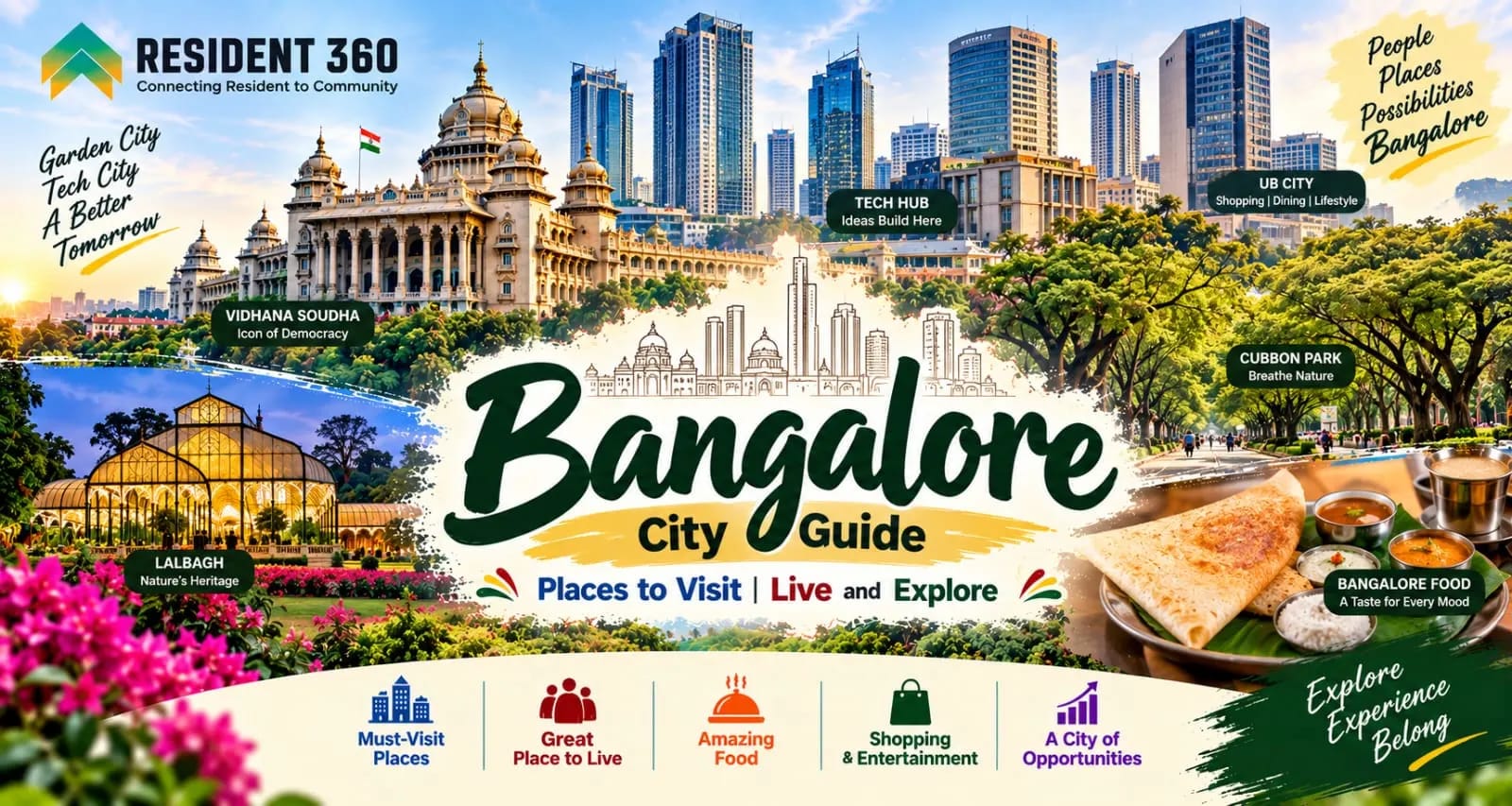
Bangalore City, officially Bengaluru, brings together technology, history, gardens, food, art, shopping, and a relaxed urban lifestyle. Whether you are visiting for a weekend, moving to the city, or simply trying to understand what makes it special, Bangalore offers far more than its reputation as India’s technology hub. Its tree-lined avenues lead to historic palaces, lively markets, contemporary cafés, museums, music venues, and neighborhoods with distinct personalities. The city’s pleasant climate, diverse population, and blend of old and new make every part of a visit feel different. This Bangalore city guide covers the best places to visit, areas to stay and explore, local food, shopping experiences, culture, outdoor activities, and practical planning tips so you can experience the city with greater ease.
The best way to enjoy Bangalore is to avoid treating it as a checklist of isolated attractions. Plan around nearby areas, allow time for traffic, and leave room for the small discoveries that often become the most memorable part of the city.
What Makes Bangalore City Worth Exploring
Bangalore has a character that changes from one neighborhood to another. Central areas reveal layers of the city’s past, while newer districts show its role as a global business and technology center. A single day can include a quiet morning in a garden, a traditional South Indian breakfast, a visit to a historic building, and an evening at a modern restaurant or cultural venue.
The city is also known for its cosmopolitan atmosphere. People from across India live and work here, which is reflected in the food, languages, festivals, workplaces, and entertainment options. Kannada remains central to the local identity, while English, Hindi, Tamil, Telugu, and other languages are commonly heard across the city.
Bangalore is especially appealing to travelers who enjoy a flexible itinerary. You can focus on history and architecture, explore cafés and design spaces, spend time in parks, shop in traditional markets, or combine all of these in one trip. The city rewards curiosity rather than hurried sightseeing.
Best Places to Visit in Bangalore
Bangalore’s most popular attractions are spread across different parts of the city, so grouping them geographically can save time. Start with a few major landmarks and then explore the surrounding streets and neighborhoods.
Lalbagh Botanical Garden
Lalbagh is one of the city’s best-known green spaces and a peaceful place to begin the day. Its wide paths, mature trees, landscaped sections, and glasshouse create a welcome break from busy roads. It is suitable for leisurely walks, photography, quiet observation, and learning about the city’s long gardening tradition.
Cubbon Park and the Central District
Cubbon Park sits close to several important cultural and public buildings. Its shaded paths make it a pleasant place for a morning walk, while nearby attractions offer opportunities to explore Bangalore’s architecture and civic history. The Karnataka High Court building, the State Central Library, and museums in the surrounding area add depth to a visit here.
Bangalore Palace
Bangalore Palace offers a glimpse into the city’s royal past through its architecture, interiors, and historic setting. Its design reflects European influences while retaining a distinctive character of its own. Visitors interested in heritage, photography, and Bengaluru’s former royal connections will find it an important stop.
Vidhana Soudha and Attara Kacheri
Vidhana Soudha is among Bangalore’s most recognizable landmarks. The grand building represents Karnataka’s administrative identity and is particularly striking from the outside. Since access and viewing arrangements can vary, it is wise to check current visitor rules before planning an interior visit.
Tipu Sultan’s Summer Palace and Bengaluru Fort area
The palace and fort area provide a connection to Bangalore’s earlier history. The compact wooden palace, historic details, and surrounding streets offer a different experience from the city’s modern business districts. A visit can easily be combined with a walk through nearby markets and traditional commercial areas.
The Best Areas to Stay and Experience Local Life
Choosing where to stay in Bangalore depends on your reason for visiting and how much time you want to spend commuting. The city is large, and traffic can make short distances take much longer than expected.
Central Bangalore
Areas around MG Road, Church Street, Richmond Town, and the central business district are convenient for visitors who want restaurants, cafés, shopping, nightlife, and access to major landmarks. They are a practical choice for a short city break, especially when you want to combine sightseeing with dining and entertainment.
Indiranagar and Koramangala
Indiranagar is known for restaurants, cafés, boutiques, pubs, and a lively evening atmosphere. Koramangala has a similar mix of food, retail, co-working spaces, and social venues, with a broad choice of cuisines. These neighborhoods suit travelers who enjoy contemporary urban culture and want many options close by.
Jayanagar and Basavanagudi
Jayanagar and Basavanagudi offer a calmer, more traditional side of Bangalore. Their tree-lined roads, local eateries, temples, markets, and established residential streets make them good choices for experiencing everyday city life. Basavanagudi is also useful for exploring heritage landmarks and classic South Indian food.
Whitefield and the Outer Business Districts
Whitefield and other outer business areas are important for technology, offices, and modern residential developments. They can be convenient for business travelers, but they are less suitable for visitors who want to spend most of their time around central attractions. Consider your daily route carefully before booking accommodation in these areas.
Bangalore Food: What and Where to Eat
Food is one of the easiest ways to understand Bangalore’s diverse culture. Traditional Karnataka dishes share space with food from across India and international cuisines. From a simple breakfast counter to a contemporary dining room, the city offers plenty of ways to eat well at different budgets.
South Indian Breakfasts
Begin with familiar local favorites such as idli, vada, dosa, khara bath, kesari bath, or a plate of thatte idli. Filter coffee is a natural accompaniment. Small restaurants and traditional eateries often provide the most satisfying breakfast experience, especially when the food is served quickly and fresh.
Local Meals and Regional Flavors
A Karnataka-style meal may include rice, sambar, vegetables, rasam, curd, and other preparations served together. Depending on the restaurant, you may also find dishes influenced by coastal Karnataka, North Karnataka, or neighboring South Indian states. Ask for regional specialties rather than ordering only familiar items.
Street Food and Casual Snacks
Bangalore’s casual food scene includes chaats, spicy snacks, rolls, sandwiches, bakery items, and local sweets. VV Puram’s food street is a popular area for sampling several small dishes in one outing, while neighborhood markets and evening stalls offer their own variations. Choose busy stalls with good turnover and observe basic hygiene practices.
Cafés, Bakeries, and Modern Dining
The city’s café culture is closely tied to its young professionals, creative communities, and international population. You will find specialty coffee, bakeries, vegetarian restaurants, global cuisines, and modern interpretations of Indian food. Indiranagar, Koramangala, Church Street, and surrounding areas are particularly varied, although menus and operating hours can change.
Shopping in Bangalore
Shopping in Bangalore ranges from old markets and textile stores to bookstores, boutiques, malls, and independent design shops. The best area depends on whether you are looking for souvenirs, clothing, produce, electronics, crafts, or a relaxed browsing experience.
Commercial Street and Brigade Road
Commercial Street is known for clothing, accessories, footwear, fabrics, and small shops where bargaining may be part of the experience. Nearby Brigade Road offers a more mixed retail environment with fashion, cafés, and established stores. Go with time to compare items rather than expecting to finish quickly.
KR Market and Traditional Bazaars
KR Market is a busy wholesale and retail market with flowers, produce, household goods, and the energetic atmosphere of an old trading district. It is best suited to visitors who enjoy observing local commerce and photographing everyday city scenes. Mornings can be particularly active, so plan carefully and be mindful of crowded paths.
Malls, Bookstores, and Independent Shops
Bangalore’s malls provide air-conditioned shopping, dining, entertainment, and familiar brands. For books, stationery, home décor, clothing, and locally designed products, explore independent stores and neighborhood boutiques. These smaller shops often reveal the city’s contemporary creative identity more clearly than large commercial centers.
Culture, History, and Creative Experiences
Bangalore’s culture is not confined to a single museum or heritage building. It appears in its language, theatre, music, festivals, food traditions, public spaces, and growing creative communities.
Museums and Heritage Sites
Museums in and around the central district cover subjects such as art, technology, transport, natural history, and regional heritage. A museum visit is a useful option during hot afternoons or rainy weather, and it can add context to the landmarks seen around the city.
Theatre, Music, and Art
Bangalore has an active performance scene that includes Kannada theatre, English-language productions, classical music, independent concerts, comedy, and experimental events. Galleries and cultural spaces regularly host exhibitions, talks, workshops, and design-related programs. Check current schedules because programming changes frequently.
Temples and Religious Architecture
Temples, churches, mosques, and other places of worship contribute to the city’s architectural and social landscape. Visitors should dress respectfully, follow photography rules, and observe local customs. A quiet visit can be more meaningful when treated as a cultural experience rather than simply a sightseeing stop.
Parks, Outdoor Spaces, and Day Trips
Although Bangalore is a busy metropolitan area, its parks and nearby natural spaces make it possible to plan an outdoor-focused itinerary. The city’s climate can be comfortable for walking, but weather conditions and traffic should still shape your plans.
Urban Green Spaces
Lalbagh and Cubbon Park are the most recognizable choices, but many residential neighborhoods also have smaller parks and tree-lined streets. Early mornings are generally more comfortable for walking, especially during warmer months. Carry water and wear comfortable footwear if you plan to combine parks with sightseeing.
Lakes and Short Outdoor Escapes
Several lakes and restored urban wetlands provide opportunities for birdwatching and relaxed walks, subject to local access rules. These locations are best visited with realistic expectations: they are urban nature spaces, not untouched wilderness. Avoid littering and follow any restrictions around protected areas.
Day Trips from Bangalore
For a longer outing, travelers often consider destinations around the city known for hills, heritage, wildlife, or large landscapes. Nandi Hills, Ramanagara, Savandurga, and Mysuru are examples of destinations that may suit different interests, but journey times depend heavily on traffic and road conditions. Start early and avoid trying to combine too many places in one day.
How to Plan a Comfortable Bangalore Itinerary
A good Bangalore itinerary balances attractions with travel time. Trying to cross the entire city several times in one day can turn an enjoyable plan into a tiring one, so build each day around a particular zone.
A One-Day Plan
Begin with Lalbagh or Cubbon Park, then visit a nearby heritage or cultural attraction. Have lunch at a traditional restaurant, spend the afternoon in a museum or shaded neighborhood, and finish with dinner around Church Street, Indiranagar, or another area that matches your preferences.
A Two- or Three-Day Plan
With two or three days, separate central sightseeing from neighborhood exploration. One day can focus on gardens, palaces, museums, and historic buildings. Another can cover Basavanagudi, Jayanagar, local food, and markets. Use the remaining time for Indiranagar, Koramangala, shopping, art, or a short outdoor excursion.
Practical Travel Tips
Use navigation apps to estimate travel time, but treat those estimates as flexible during peak hours. Metro services can be useful on suitable routes, while app-based taxis, auto-rickshaws, and buses provide additional options. Confirm fares or use digital payment where available, keep valuables secure in crowded markets, and carry a light layer because weather can shift during the day.
Dress for walking and choose comfortable shoes. For restaurants, attractions, and cultural venues, verify current opening hours before setting out. If you are staying in Bangalore for work or an extended period, choose accommodation near your regular destination rather than relying on daily cross-city travel.
Conclusion
Bangalore City is a destination best experienced through a combination of famous attractions and ordinary local moments. Its gardens, palaces, markets, cafés, food traditions, cultural venues, and lively neighborhoods reveal different sides of the city, from historic Bengaluru to its modern technology-driven identity. Whether you are visiting for one day or settling in for longer, plan by area, allow extra travel time, and leave space for discovery. With the right pace, a Bangalore city guide becomes more than a list of places: it becomes a way to understand the city’s energy, diversity, and everyday charm.