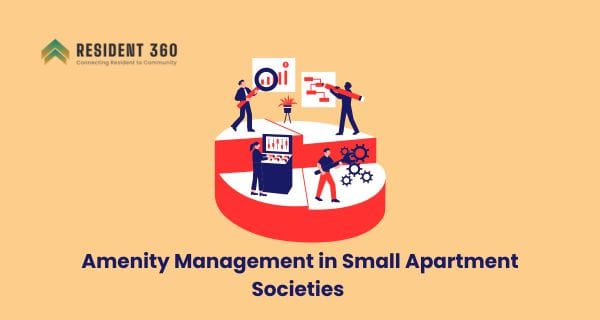
Amenities such as parking spaces, lifts, water supply, and common areas play an important role in residents' daily lives. Proper management of these shared resources is essential to ensure convenience and harmony within the community. In small apartment societies with 10–50 flats, amenity management is often handled informally. While this may work initially, it can lead to conflicts, poor maintenance, and inefficient usage over time—especially in growing residential areas like Tellapur and Manikonda in Hyderabad.
Common Amenity Management Issues
1. Conflicts Over Usage
Limited resources like parking or common spaces often lead to disagreements among residents.
2. Poor Maintenance
Without proper tracking, amenities like lifts, water systems, and common areas may not be maintained regularly.
3. No Scheduling or Tracking
There is usually no structured system for managing bookings or the use of shared facilities.
4. Misuse of Shared Spaces
Common areas may be overused or misused due to a lack of clear rules and monitoring.
Why Amenity Management Matters
Fair Usage
Ensures all residents get equal and organized access to shared facilities.
Better Maintenance
Regular tracking helps keep amenities in good condition.
Resident Satisfaction
Well-managed amenities improve the overall living experience and reduce conflicts.
Better Way to Manage Amenities
Managing amenities becomes much easier with a structured and digital approach. Instead of relying on manual coordination, small societies can use platforms like the Resident 360 Hyderabad page to simplify operations.
With the right system, societies can:
- Track usage of amenities easily
- Avoid conflicts through clear visibility
- Maintain records for better planning
- Improve coordination among residents.
Resident 360 is:
- Lifetime free
- Built specifically for small apartment societies
- Designed for simple and efficient management
- Free from ads and broker interference
Conclusion:
Proper amenity management is essential for maintaining convenience, fairness, and harmony in small apartment societies. By adopting a more organized approach, communities can avoid conflicts, improve maintenance, and create a better living environment for everyone.